October 23, 2026
A new roof is a significant investment that affects a home’s protection, energy efficiency, appearance, and long-term value. Whether replacing an aging roof or installing roofing materials during construction, homeowners should understand the decisions involved before committing to a project. From selecting materials to evaluating contractors, thoughtful preparation can help prevent unexpected expenses and unnecessary complications.
A successful roof installation requires more than choosing attractive shingles. Homeowners must consider structural conditions, local weather patterns, ventilation requirements, project timelines, and ongoing maintenance. Understanding these factors makes it easier to communicate expectations with roofing professionals and make informed decisions that support the property’s long-term performance.
Understanding Your Home’s Roofing Needs
Every home has unique roofing requirements based on its architectural design, age, location, and existing structural conditions. Before beginning a roofing project, homeowners should arrange a professional assessment to identify potential concerns that could affect the work. This evaluation helps determine whether the roof requires complete replacement or whether certain structural components need attention.
Roofing professionals typically examine existing materials, decking, flashing, and areas vulnerable to moisture intrusion. Signs of deterioration may include curling shingles, water stains, sagging surfaces, or recurring leaks. Although some problems appear minor from the ground, underlying damage can create additional complications when roofing materials are removed.
Choosing the Right Roofing Materials
Selecting appropriate roofing materials is among the most important decisions homeowners make during a roof installation project. Different materials offer varying levels of durability, maintenance requirements, weather resistance, and visual appeal. The ideal choice depends on the home’s design, regional climate, and available budget.
Asphalt shingles remain popular because they provide versatility, relatively accessible pricing, and numerous design options. According to the National Association of Home Builders (NAHB), asphalt shingles account for over 70% of residential roofing installations throughout the U.S., making them the country’s most widely used roofing material.
Other options include metal roofing, clay tiles, concrete tiles, and synthetic roofing products. Metal materials can offer excellent longevity and weather resistance, while tile roofing provides a distinctive appearance suited to certain architectural styles. However, heavier materials may require additional structural considerations before installation.
Establishing a Realistic Project Budget
Budget planning plays a central role in determining the scope and overall success of a roofing project. The final cost depends on several factors, including roof size, architectural complexity, material selection, labor requirements, and the condition of underlying structures.
A professional estimate should explain the anticipated expenses associated with removing existing materials, preparing roofing surfaces, installing replacement components, and completing necessary finishing work. Homeowners should review these details carefully rather than evaluating proposals based exclusively on the total price.
Unexpected conditions can also influence costs. Contractors may discover damaged decking, deteriorated flashing, or moisture-related problems after removing the existing roofing system. Setting aside additional funds for potential repairs can reduce financial stress if previously concealed issues become apparent.
Homeowners should also evaluate financing options and payment schedules before signing agreements. Understanding deposit requirements, project milestones, and final payment expectations creates greater financial clarity.
Selecting a Qualified Roofing Contractor
Hiring an experienced contractor is essential for achieving dependable results. Even high-quality roofing materials can perform poorly when installed incorrectly, making professional expertise an important consideration throughout the selection process.
Homeowners should investigate prospective contractors by reviewing relevant experience, customer feedback, insurance documentation, and applicable licensing credentials. Requirements vary by location, so verifying compliance with local regulations helps homeowners make informed hiring decisions.
Requesting detailed written proposals is also beneficial. These documents should identify the proposed materials, project scope, anticipated schedule, cleanup responsibilities, and warranty provisions. Comparing proposals helps homeowners identify meaningful differences in services rather than focusing solely on pricing.
Communication matters throughout the contractor selection process. Reputable professionals should explain their recommendations clearly, address questions, and establish realistic expectations regarding potential delays or unexpected repairs.
Preparing Your Property for Construction
Roofing work can temporarily affect household routines, outdoor spaces, and access to certain areas of a property. Understanding these disruptions beforehand allows homeowners to coordinate schedules and protect belongings during construction.
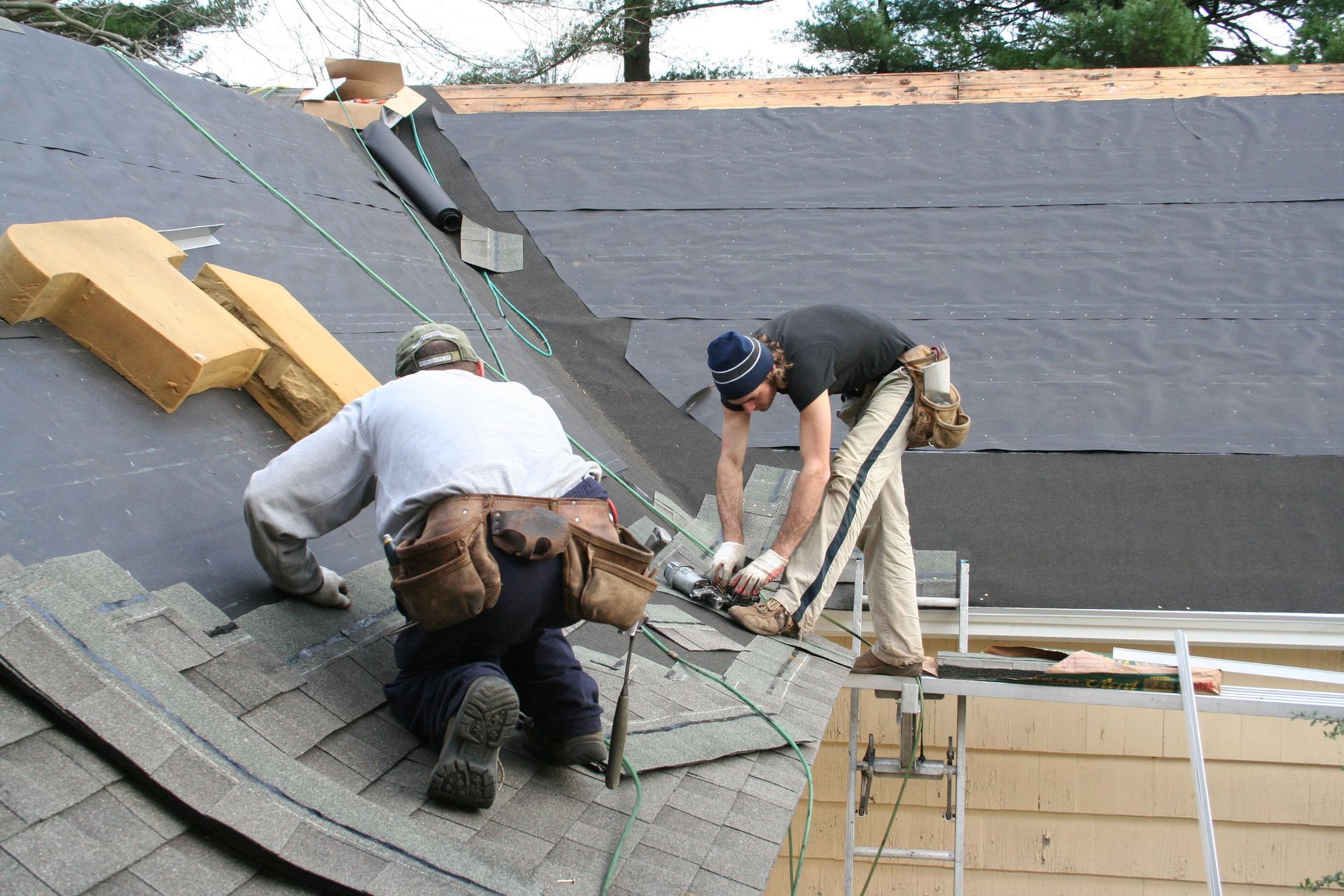
Professional roofing crews generally require space for equipment, material deliveries, waste containers, and vehicle access. Homeowners should discuss these logistical requirements with their contractor to determine how the property will be used throughout the project.
Roofing activity can also generate substantial noise and vibration. Households with pets, young children, or individuals working remotely may benefit from making alternative arrangements during particularly disruptive periods.
Contractors should explain how they intend to protect landscaping, exterior fixtures, and nearby structures from falling debris. Discussing cleanup procedures before work begins helps establish expectations for the property’s condition after construction.
Evaluating Ventilation and Energy Efficiency
Roofing performance depends on more than the visible exterior materials. Proper ventilation and insulation contribute significantly to indoor comfort, moisture management, and the longevity of roofing components.
Attic ventilation helps regulate heat and moisture accumulation. Without adequate airflow, excessive temperatures and trapped humidity may contribute to condensation, material deterioration, or reduced insulation effectiveness.
During a roofing assessment, contractors can evaluate existing intake and exhaust ventilation to determine whether improvements are appropriate. The recommended configuration depends on the home’s design, local building requirements, and existing insulation conditions.
Homeowners should also discuss energy-efficient roofing options. Certain materials feature reflective surfaces designed to reduce solar heat absorption, potentially helping manage cooling demands in warmer climates.
However, energy performance depends on the complete roofing system rather than any isolated feature. Insulation quality, attic conditions, ventilation, and overall building design all influence results.
Considering these elements during a roof installation allows homeowners to address potential performance concerns while the roofing system is being evaluated and upgraded.
Understanding Permits, Warranties and Inspections
Roofing projects may involve permits, building regulations, and inspection requirements established by local authorities. Homeowners should understand how these obligations apply to their property before construction begins.
A qualified contractor can explain which permits may be necessary and identify who will be responsible for obtaining approvals. Compliance with applicable requirements helps ensure that roofing work meets established construction and safety standards.
Warranties deserve careful attention as well. Manufacturer warranties typically address qualifying product defects, while workmanship warranties may cover problems associated with installation. Coverage terms, exclusions, registration requirements, and maintenance responsibilities can differ significantly.
Homeowners should request written warranty documentation and understand the circumstances that could affect future claims. Keeping contracts, product information, inspection records, and payment receipts organized may simplify future maintenance or warranty inquiries.
A final inspection provides an opportunity to review completed work and discuss remaining concerns. Homeowners should understand what the contractor has inspected, whether required approvals have been obtained, and how any outstanding issues will be resolved.
Planning for Long-Term Roof Maintenance
A completed roofing project represents the beginning of an ongoing responsibility to protect the home’s exterior. Although modern roofing materials are designed for durability, routine professional inspections and timely repairs can help preserve their performance.
Homeowners should remain attentive to visible warning signs such as missing shingles, damaged flashing, blocked drainage systems, or unexplained interior moisture. Addressing concerns early may prevent minor defects from developing into more extensive damage.
Seasonal weather conditions can also affect roofing components. Following major storms, a professional inspection may help identify damage that is difficult to recognize from ground level.
Maintenance requirements vary depending on the installed materials and surrounding environment. Properties near trees, for example, may experience increased debris accumulation that affects drainage.
Discussing recommended maintenance practices with the roofing contractor helps homeowners understand how to protect their investment without attempting potentially dangerous roofing work themselves.
A proactive approach to maintenance supports lasting results and helps homeowners recognize when professional attention is necessary.
Making Confident Roofing Decisions
Beginning a roofing project involves important choices that influence a home’s safety, appearance, and long-term performance. Understanding material options, financial considerations, contractor qualifications, ventilation needs, and regulatory requirements allows homeowners to approach the process with greater confidence.
A well-planned roof installation combines careful evaluation, experienced workmanship, and appropriate materials to create a dependable roofing system. By asking informed questions and establishing clear expectations, homeowners can reduce uncertainty and make decisions that support their property’s future.
At Visionary Restoration, we understand how important a reliable roofing system is to your home. Our team is committed to helping homeowners explore their options, understand project requirements, and make informed decisions. Contact us today to discuss your roofing needs and learn how we can help you move forward with confidence.